September 11, 2026
Discovering the best way to refresh a well-loved sofa can be difficult, especially when new furniture sales make replacement seem like the simplest choice. In many cases, however, a quality piece still has years of useful life beneath worn fabric or tired cushions. Professional upholstery services can restore comfort, appearance, and function while allowing homeowners to preserve furniture that already fits their space. Reupholstery can also reduce waste by keeping usable furniture out of landfills. Recognizing the signs that a sofa is worth restoring can help homeowners make a more informed decision.
Evaluating the Sofa Frame
The frame is one of the most important factors to consider before investing in restoration. A strong frame provides the structure needed to support new fabric, padding, and cushions. Hardwood frames are often especially good candidates because they can withstand years of regular use when properly maintained. Before moving forward, check whether the sofa feels stable when sitting, standing up, or shifting position. A piece that remains firm and level may have a solid foundation for restoration.
Creaking, wobbling, loose joints, or noticeable sagging can indicate structural wear, but these problems do not always mean the sofa must be discarded. Small cracks, weakened connections, and damaged support areas may be repairable. Upholstery services can include an evaluation of the frame so hidden problems are addressed before new materials are installed. Correcting structural issues early can protect the investment and extend the furniture's useful life.
Checking Cushion Comfort and Support
Cushions naturally change over time as foam compresses, fibers shift, and filling loses resilience. A sofa that once felt supportive may eventually develop flat seats, uneven surfaces, or soft spots. These changes can make everyday sitting less comfortable even if the frame remains in good condition. Instead of replacing the entire piece, homeowners may be able to improve comfort by rebuilding the cushion interiors.
Foam, down, polyester fiber, and blended fillings each provide different levels of firmness and support. Upholstery services may include re-stuffing or rebuilding cushions to create a seating surface better suited to the household's preferences. Firmer foam may work well for frequent use, while softer layered materials can create a more relaxed feel. Choosing the right filling can improve both comfort and long-term durability.
Considering Fabric Wear and Surface Damage
Visible fabric damage is one of the clearest signs that a sofa may benefit from restoration. Fraying edges, fading, stains, tears, worn armrests, and stretched material can make otherwise functional furniture look tired. Surface wear is especially common in homes where sofas receive daily use or are exposed to direct sunlight, pets, or children. When the underlying structure remains strong, replacing the outer fabric may be more practical than replacing the entire piece.
Modern fabric choices give homeowners many options for improving durability and appearance. Performance fabrics, tightly woven textiles, stain-resistant materials, and easy-care blends can help a restored sofa better handle everyday activity. Upholstery services allow homeowners to choose materials based on lifestyle rather than accepting the limited fabric selection available on a ready-made replacement. This can be useful for households that need pet-friendly, child-friendly, or high-traffic materials.
Preserving Sentimental and Personal Value
Some sofas have value that cannot be measured by replacement cost alone. A piece may have been inherited from a relative, purchased for a first home, or associated with important family memories. Furniture with sentimental meaning deserves additional consideration before being discarded. Restoring it allows the original form and history to remain part of the home while improving comfort and appearance.
Upholstery services can be particularly valuable for heirloom or custom furniture because they preserve features that may be difficult to reproduce. Distinctive arms, carved wood details, unusual proportions, or vintage construction can give a sofa character that modern mass-produced furniture may not offer. Reupholstery keeps those defining features intact while replacing materials that have reached the end of their useful life.
Matching the Sofa to Updated Décor
A sofa may still be structurally sound but no longer fit the look of a room after a renovation or decorating change. New paint, flooring, curtains, or lighting can make older fabric feel disconnected from the surrounding space. Rather than replacing furniture that still performs well, homeowners can select a new material that coordinates with the updated design.
Reupholstery offers greater customization than purchasing many standard retail sofas. Homeowners can select specific textures, colors, patterns, trims, and finishes that complement existing décor. Upholstery services can also help guide fabric selection based on how the sofa will be used and where it will be placed. A family room may benefit from a durable low-maintenance textile, while a formal sitting area may allow for a more decorative option.
This level of control makes it easier to create a cohesive room without compromising on size or comfort. If the existing sofa already fits the floor plan perfectly, preserving its dimensions can eliminate the difficulty of finding a replacement with the same proportions. Custom restoration can therefore solve both decorative and practical concerns.
Comparing Restoration and Replacement Costs
Cost is another major factor when deciding whether to restore or replace a sofa. According to Fortune Business Insights, nearly 64% of households in the United States regularly invest in furniture replacement or renovation projects. This level of household investment highlights the importance of carefully comparing restoration and replacement options before deciding how to update an existing piece. Reupholstery is not always the least expensive option, especially when a piece requires extensive structural repair or premium materials. However, the comparison should consider quality as well as price. Replacing a well-built sofa with a low-cost alternative may save money initially but could result in a shorter lifespan.
A detailed estimate can help homeowners compare labor, fabric, cushion work, and frame repairs with the cost of purchasing furniture of similar quality. Professional restoration may make the most financial sense when the sofa has a durable frame, desirable dimensions, and only moderate wear. When the frame is severely damaged or made from poor-quality materials, replacement may be the more practical choice.
It is also helpful to consider delivery fees, disposal expenses, and the cost of adapting a room to a differently sized sofa. Restoration keeps the existing piece in use and may reduce some of these additional expenses. Looking at the full cost rather than the purchase price alone leads to a more balanced decision.
Supporting a More Sustainable Choice
Restoring furniture can reduce the amount of bulky household waste sent to disposal facilities. Sofas contain wood, foam, fabric, metal, and other materials that may be difficult to separate for recycling. Keeping a usable frame in service longer conserves resources and reduces the demand for manufacturing an entirely new piece.
Choosing upholstery services can support a more sustainable approach to home improvement. Replacing only the worn components allows homeowners to preserve materials that are still functional. This is especially beneficial when the sofa was originally made with durable construction that would be wasteful to discard solely because the exterior fabric is outdated.
Knowing When Professional Help Is Worthwhile
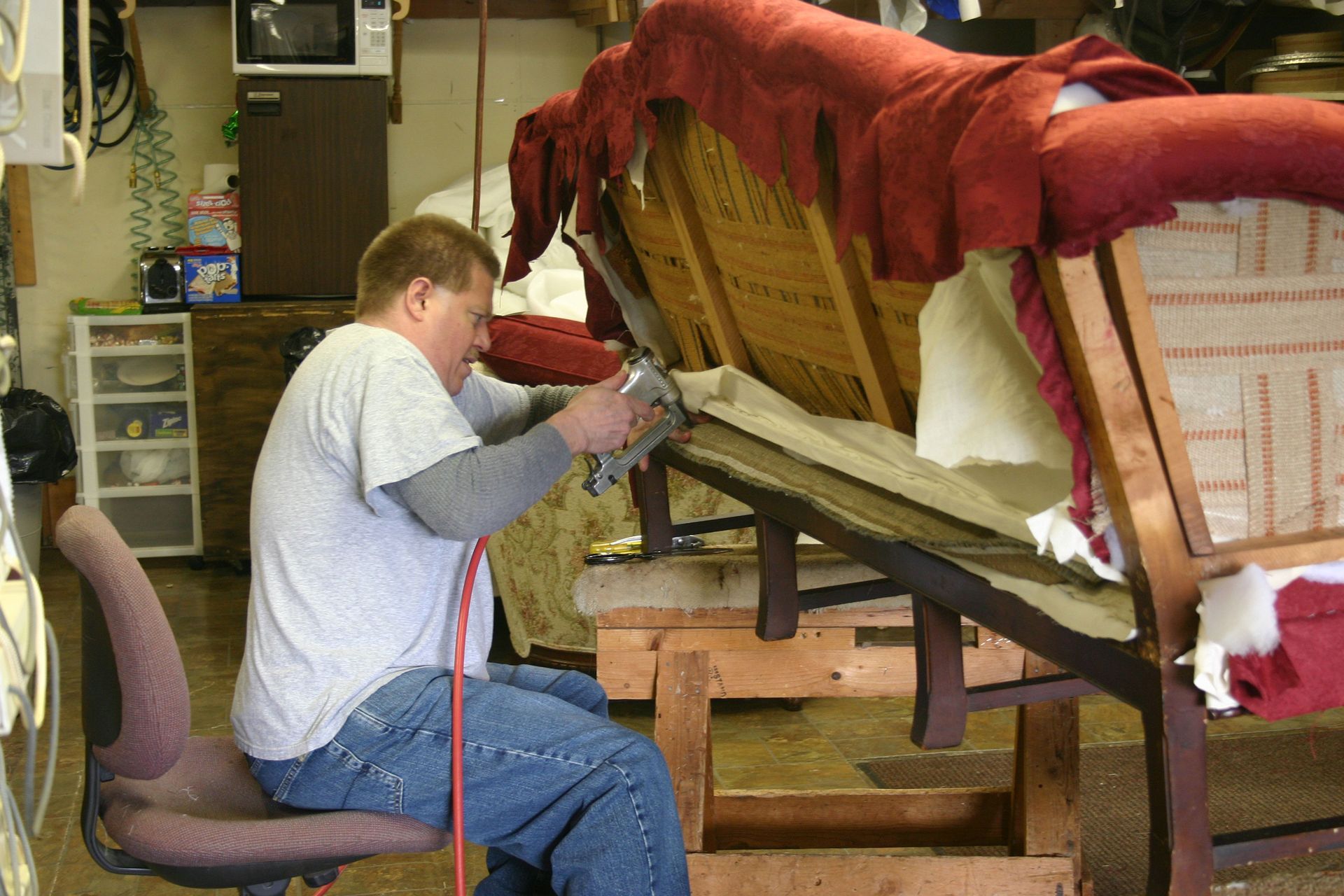
A professional evaluation is useful when homeowners are uncertain about the condition of a sofa. Experienced upholsterers can identify frame problems, worn support systems, damaged springs, cushion deterioration, and fabric concerns that may not be obvious during a casual inspection. They can also explain which repairs are essential and which upgrades are optional.
Before committing to a project, ask about fabric requirements, estimated labor, cushion replacement, structural repair, and expected turnaround. Clear information makes it easier to compare restoration with replacement realistically. It also helps homeowners select materials that suit both the budget and intended use of the furniture.
A sofa may be worth restoring when it has a strong frame, comfortable proportions, meaningful design, or sentimental importance. Worn fabric and aging cushions alone do not necessarily justify replacement. By evaluating structure, comfort, appearance, cost, and personal value together, homeowners can determine whether restoration offers the better long-term solution. A carefully restored sofa can continue serving the household while gaining a fresh look suited to the next stage of the home's design. Contact our team at The Woodlands Upholstery today and learn more about our upholstery services.