September 25, 2026
A vintage sofa can bring character, craftsmanship, and personality to a room, but age often leaves visible signs of wear. Fabric may fade, cushions may lose their shape, seams may weaken, and surface damage may make the piece look less appealing than it once did. That does not always mean the sofa needs to be replaced. In many cases, an older piece may have a strong frame and distinctive design that make restoration worthwhile. Furniture reupholstery can give a well-built sofa a renewed appearance while preserving the features that make it unique. Before deciding what to do with an aging piece, it helps to look beyond worn fabric and consider the condition of the frame, cushions, springs, proportions, and overall construction.
1. Finding a Strong and Stable Frame
One of the clearest signs that a vintage sofa may be worth restoring is a frame that remains solid despite years of use. Older furniture was often built with hardwood frames, reinforced joints, and construction methods designed for long-term durability. You can get a basic sense of the frame by gently moving the sofa, sitting on different areas, and listening for excessive creaking or movement. A sofa that feels stable and does not twist or wobble significantly may have a strong structural foundation beneath its worn exterior.
A sturdy frame can make furniture reupholstery especially worthwhile because the most important structural portion of the sofa is still usable. Surface fabric and padding can often be replaced more easily than a poorly built frame can be repaired. Even when minor joint tightening or reinforcement is required, an experienced upholsterer may be able to restore the structure while preserving the original shape. If the sofa feels substantial and well constructed, worn upholstery alone may not be a good reason to discard it.
2. Noticing Worn or Outdated Fabric
Fabric is often the first part of a sofa to show its age. Years of sunlight, daily use, spills, pets, and cleaning can leave upholstery faded, stained, torn, or threadbare. The pattern or color may also feel outdated even when the sofa itself still works well in the room. Because upholstery is primarily a surface material, these cosmetic problems do not necessarily indicate that the underlying furniture has reached the end of its useful life.
Furniture reupholstery allows the existing sofa to be covered with new material that better suits your current style and practical needs. Homeowners may choose a different color, texture, pattern, or fabric performance level while keeping the original shape of the piece. This can be particularly appealing when the sofa has distinctive curves, carved details, tufting, or proportions that are difficult to find in newer furniture. Replacing damaged or dated fabric can dramatically change the appearance without sacrificing the qualities that made the vintage piece appealing in the first place.
3. Recognizing Sagging but Repairable Cushions
Older sofa cushions commonly lose firmness as foam, batting, down, or other filling compresses over time. Cushions may appear flattened, uneven, or less supportive than they once were. While this can make the sofa uncomfortable, it does not always mean the entire piece needs replacement. If the frame remains sound and the cushions are removable or accessible, their internal materials can often be repaired, reshaped, or replaced.
During furniture reupholstery, cushion interiors can be evaluated along with the outer fabric. New foam, padding, or other filling materials may help restore support and improve the sofa's overall appearance. Cushion work can also correct uneven edges or loss of shape that makes an older sofa look tired. When sagging is limited to the padding rather than caused by severe frame or suspension damage, restoring the cushions can help return the piece to a more comfortable and balanced condition.
4. Discovering Quality Springs and Support
The internal support system is another important factor when evaluating a vintage sofa. Depending on its age and construction, the piece may contain coil springs, sinuous springs, webbing, or another type of suspension beneath the seat. Over time, these components can loosen, stretch, or shift, creating sagging or uneven support. However, many older sofas were built with systems that can be repaired instead of completely replaced.
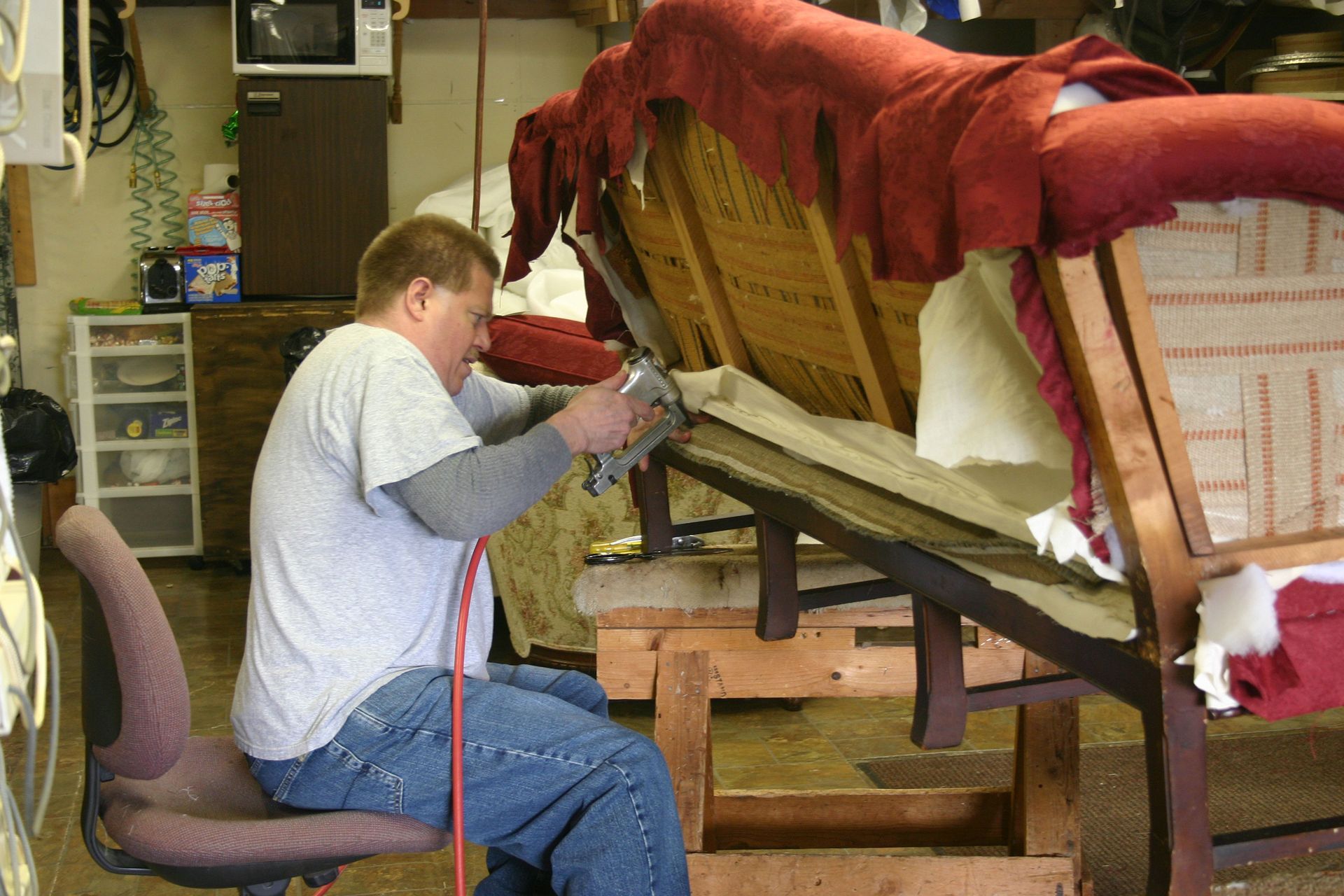
A professional providing furniture reupholstery can inspect these hidden components once the old covering and padding are removed. Loose springs may be retied, damaged webbing may be replaced, and other support components may be adjusted before new upholstery is installed. According to the Level Frames Home Decor Waste Report, furniture and furnishings contribute 19.36 billion pounds of waste to landfills throughout the United States each year. Restoring a structurally sound vintage sofa can extend the useful life of an existing piece rather than immediately replacing it.
5. Appreciating Distinctive Design Details
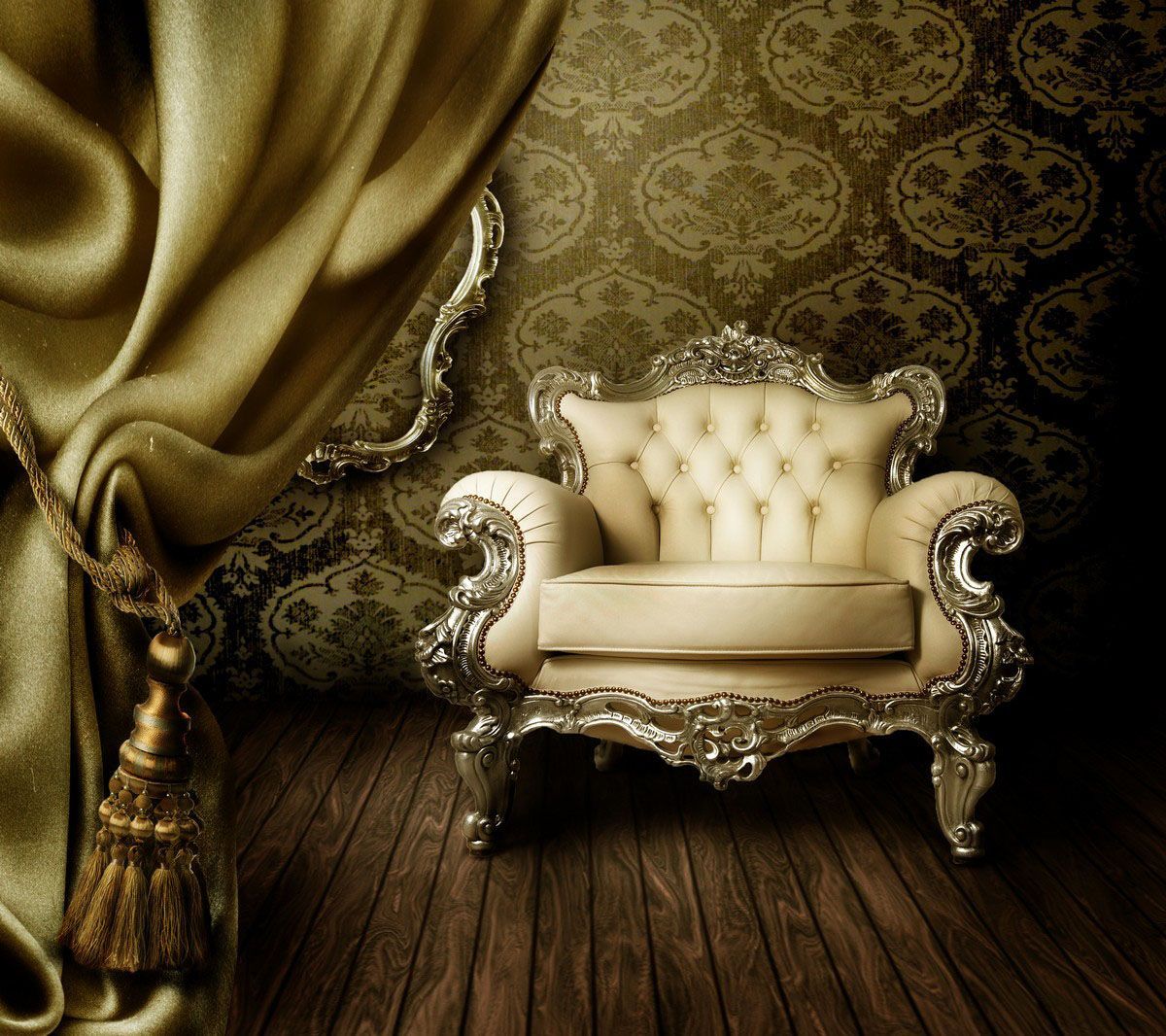
Vintage sofas often feature details that are difficult to reproduce in mass-produced furniture. Rolled arms, exposed wood, carved legs, decorative trim, tufted backs, unusual silhouettes, or hand-finished elements can give the piece personality and visual interest. If those characteristics complement your home or hold sentimental value, replacing the sofa with a newer model may mean giving up features that cannot easily be matched.
Furniture reupholstery can preserve these design details while changing the worn surfaces around them. An upholsterer can work around decorative wood, recreate button tufting, replace trim, or maintain the original lines of the sofa while installing new fabric. This makes restoration particularly attractive for pieces that have a recognizable style or craftsmanship worth preserving. Instead of changing the sofa into something entirely different, the process can emphasize its original character while giving it a refreshed appearance.
6. Valuing Sentimental or Personal History
Some vintage sofas matter for reasons that go beyond their market value. A sofa may have belonged to a parent or grandparent, been part of a family home for decades, or carry memories connected to important events. In these situations, replacing the piece can feel different from simply purchasing new furniture. The sofa may serve as a physical connection to personal or family history that makes preservation meaningful.
Furniture reupholstery offers a way to update a sentimental piece without losing the structure and form people associate with those memories. New fabric and padding can make the sofa more practical for current use while keeping the recognizable shape intact. Homeowners can even select upholstery that respects the original period or choose something that blends the vintage frame with a more contemporary room. When emotional value is an important consideration, restoration can allow the piece to remain part of the household for another generation.
7. Seeing Potential Despite Surface Damage
A sofa can look significantly worse than its actual condition when the damage is concentrated on the surface. Torn fabric, loose trim, faded colors, small stains, exposed padding, or worn piping can make a piece appear beyond repair even when its frame and support system remain in good shape. Evaluating the sofa beneath those visible flaws can help determine whether the damage is primarily cosmetic or whether deeper structural problems are present.
If the issues are largely related to fabric, padding, trim, and other replaceable components, furniture reupholstery may give the sofa an entirely different appearance. A professional evaluation can help identify which parts are reusable, which need repair, and which should be replaced. This can be especially useful when homeowners are unsure whether an aging sofa is worth saving. A piece that initially looks heavily worn may still have enough quality construction underneath to make restoration a practical option.
A vintage sofa does not necessarily need to be replaced simply because the fabric is faded, the cushions are sagging, or the surface shows years of use. A strong frame, repairable support system, distinctive design, sentimental history, and mostly cosmetic damage can all indicate that the piece still has useful life remaining. Furniture reupholstery can address many of these concerns by replacing fabric, rebuilding cushions, repairing internal support, and preserving valuable design details. Evaluating the entire sofa rather than judging it by appearance alone can help you decide whether restoration fits your goals and the condition of the piece. If you have a vintage sofa that deserves another chapter and want professional guidance on restoring it, contact The Woodlands Upholstery.