February 18, 2026
Vintage chairs represent a level of craftsmanship, material quality, and design intention that is increasingly rare in modern furniture. Chair upholstery plays a defining role in preserving these qualities while allowing older pieces to remain functional in contemporary spaces. Rather than replacing furniture that has stood the test of time, upholstery restores comfort and visual appeal without compromising the character that makes vintage pieces distinctive. Many older chairs were designed to be reupholstered multiple times throughout their lifespan, making restoration an expected part of ownership rather than an afterthought.
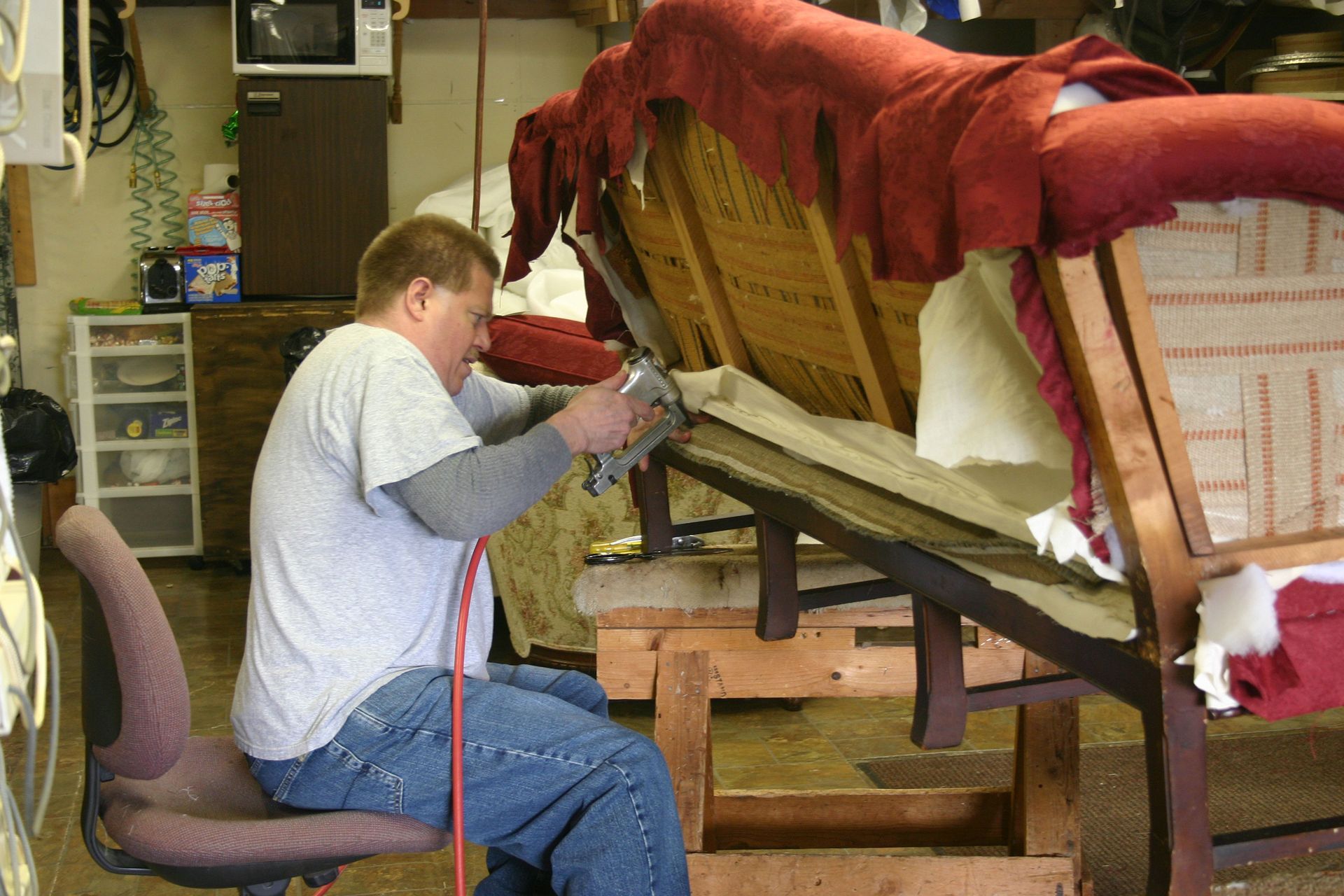
Professional upholstery respects the original structure of a chair while addressing the wear that naturally occurs over decades of use. Fabric deterioration, compressed padding, and weakened support systems can detract from both comfort and appearance, even when the frame remains sound. An experienced upholstery service revitalizes these elements while retaining the defining features that give vintage furniture its personality. This process allows homeowners and designers to preserve meaningful pieces while adapting them to evolving needs and design preferences.
Beyond aesthetics, upholstery helps protect the historical and emotional value of vintage chairs. Whether a piece has been passed down through generations or discovered as a one-of-a-kind find, reupholstering preserves its story. Upholstery serves as a bridge between past and present, allowing vintage furniture to continue playing an active role in everyday life rather than being relegated to storage or display.
Celebrating the Craftsmanship of Vintage Chair Construction
Many vintage and antique chairs were constructed using techniques that prioritized longevity and repairability. Solid hardwood frames, mortise-and-tenon joinery, and hand-shaped components were standard practices that produced furniture capable of lasting generations. Upholstery works in harmony with this construction by renewing the surfaces designed to be replaced while maintaining the strength of the original framework. This relationship between frame and upholstery is central to the enduring value of vintage seating.
The design language of vintage chairs is closely tied to upholstery choices. Decorative trims, button tufting, channeling, and tailored seams were not merely ornamental but integral to the overall form of the chair. Upholstery restoration allows these details to be preserved, refined, or thoughtfully reinterpreted while remaining faithful to the chair's origins. When executed properly, upholstery highlights the craftsmanship that might otherwise be hidden beneath layers of wear.
Material composition further distinguishes vintage chairs from contemporary alternatives. Traditional padding materials such as horsehair, cotton batting, and hand-tied springs were selected for resilience and comfort. These components often outperform modern mass-produced cushioning systems when properly restored. A knowledgeable upholstery service understands how to work with these materials, deciding when conservation is appropriate and when selective replacement supports longevity. This approach maintains the chair's authenticity while enhancing comfort for modern use.
Supporting Longevity Through Thoughtful Upholstery Restoration
Chair upholstery is one of the most effective ways to extend the usable life of vintage furniture. While fabrics and padding naturally degrade over time, the underlying frame often remains structurally sound. Reupholstering addresses these vulnerable layers directly, allowing the chair to continue serving its intended purpose without compromising safety or comfort. This restoration approach maximizes the return on the original craftsmanship invested in the piece.
Thoughtful upholstery also protects the long-term value of vintage chairs. Furniture collectors and design enthusiasts often place higher value on pieces that retain original construction and proportions. Upholstery that respects scale, silhouette, and period-appropriate details helps preserve this value while improving usability. In contrast, neglect or poorly executed repairs can permanently diminish both appearance and function.
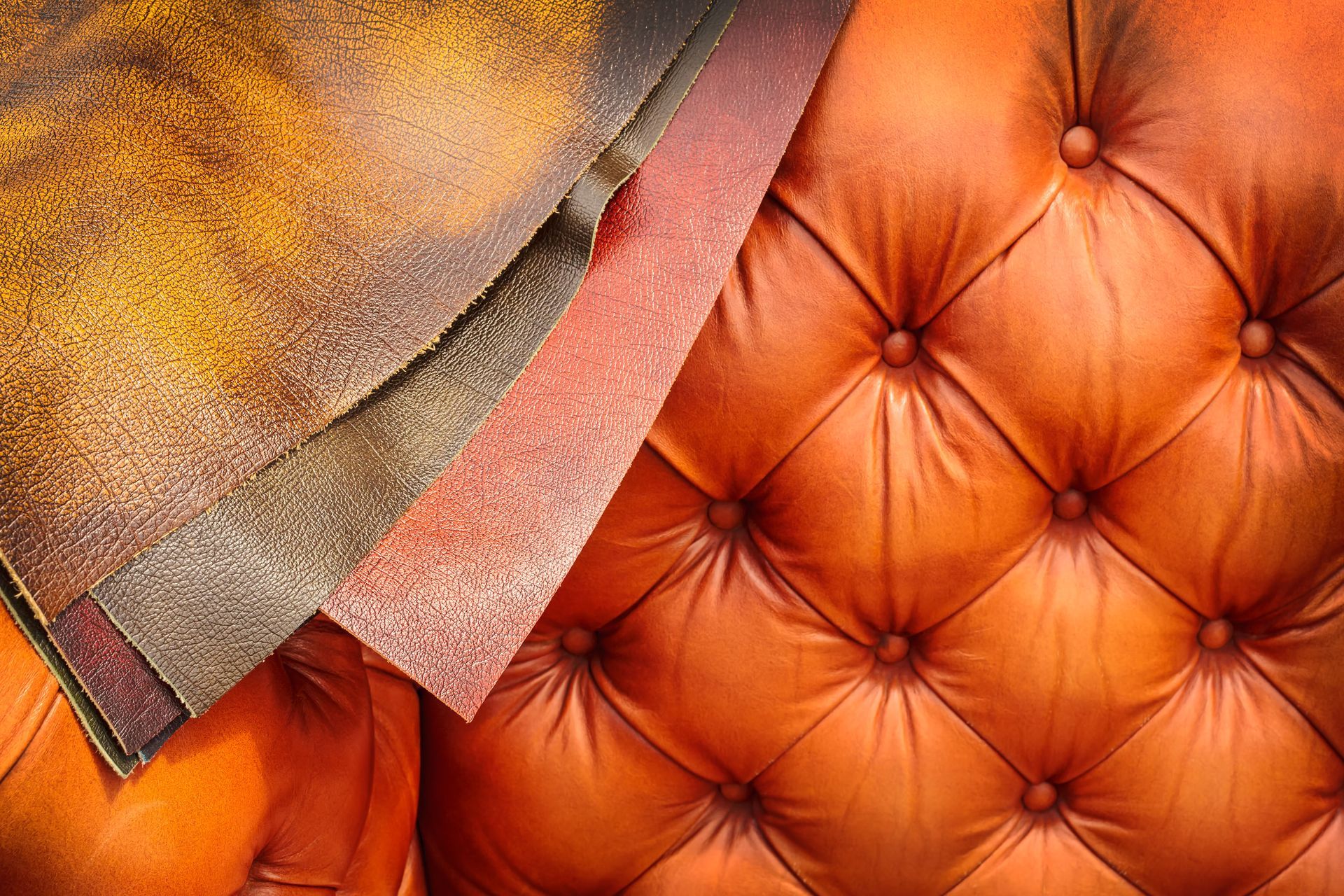
The time and skill involved in restoring vintage chairs further underscore the value of upholstery work. Complex designs, delicate frames, and traditional construction methods require careful handling and methodical execution. According to a 2025 survey by Furniture Today, 41% of respondents ranked leather as the top choice for upholstered furniture material, making it the most preferred option. Choosing high-quality materials like leather for restoration not only enhances the aesthetic appeal but also contributes to durability and longevity. The investment of time demonstrates a commitment to quality and enduring design rather than quick cosmetic fixes. Upholstery restoration allows vintage chairs to age gracefully, adapting to modern living without losing their defining characteristics.
Enhancing Sustainability Through Vintage Upholstery
Upholstering vintage chairs contributes meaningfully to sustainable design practices by prioritizing reuse over replacement. Older furniture was typically built with durability and repairability in mind, making it well-suited for restoration rather than disposal. Upholstery extends the functional life of these pieces, keeping substantial materials like hardwood frames and metal components in use while reducing the demand for newly manufactured furniture. Since new production often requires significant raw materials, transportation, and energy consumption, restoring vintage chairs supports a more resource-conscious approach to furnishing spaces.
Material selection within upholstery projects further supports sustainability goals. Many contemporary fabrics are engineered for longevity, stain resistance, and lower environmental impact, offering longer wear cycles than traditional textiles. When selected with care, these materials integrate seamlessly with vintage frames while enhancing performance and ease of maintenance.
Sustainable upholstery also encourages intentional consumption by shifting focus away from trend-driven replacement. Instead of discarding furniture to follow changing styles, reupholstering allows vintage chairs to adapt through updated fabrics and finishes. This adaptability reduces waste while fostering a deeper appreciation for quality craftsmanship and long-term value. Upholstery becomes a practical solution for maintaining relevance, supporting design flexibility, and making responsible choices that benefit both interiors and the environment.
Integrating Vintage Chairs Into Modern Interiors
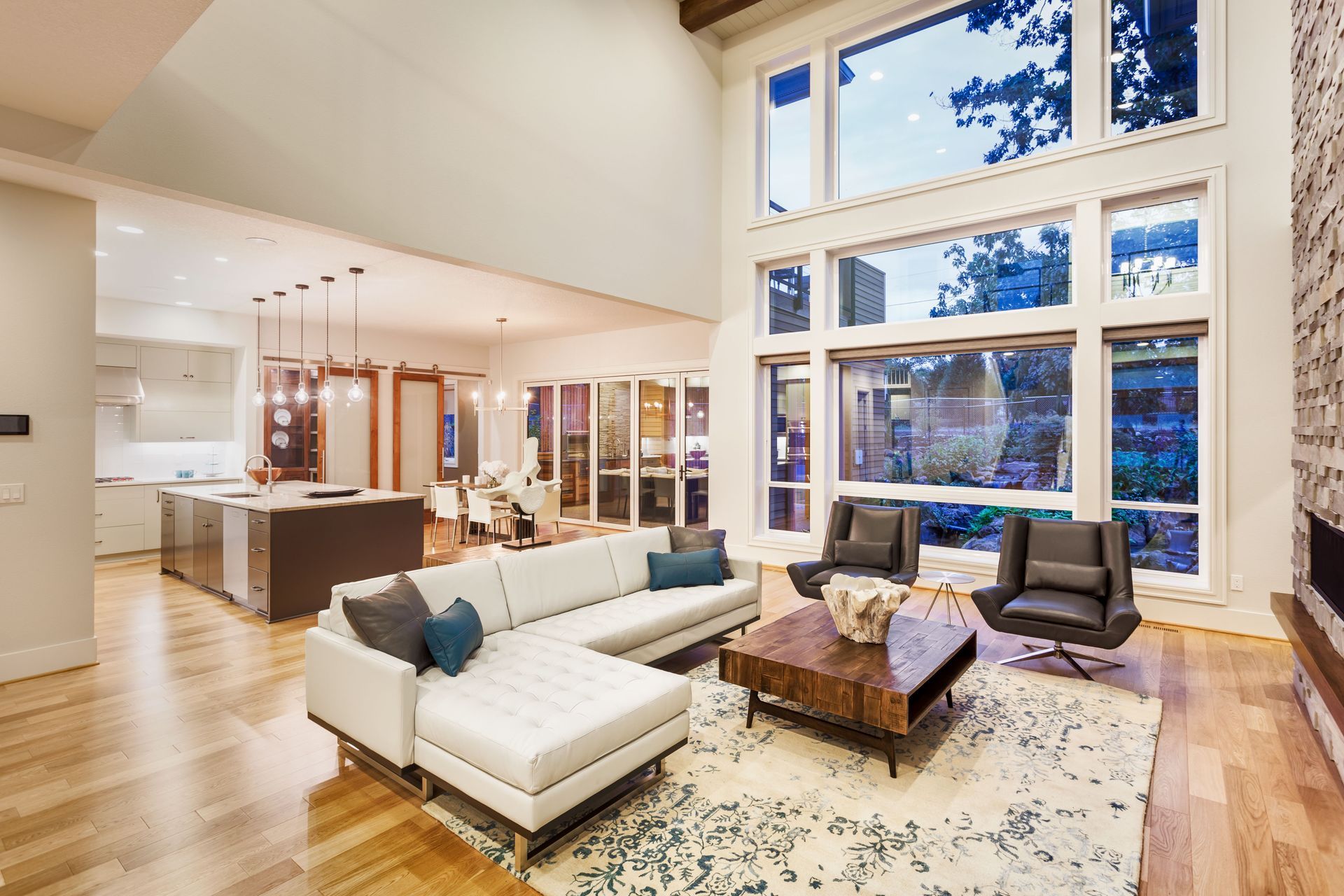
Chair upholstery allows vintage furniture to transition seamlessly into modern spaces by bridging classic construction with contemporary design sensibilities. Updated fabrics, refreshed color palettes, and refined textures can reinterpret an older chair in ways that feel intentional rather than dated. Whether incorporating neutral textiles for a clean, modern look or introducing subtle patterns for visual interest, upholstery helps vintage chairs integrate naturally into today's interiors. This flexibility allows older pieces to coexist with modern furnishings without competing for attention or feeling out of place.
This adaptability positions vintage chairs as versatile design assets rather than stylistic limitations. Upholstery can emphasize original lines and proportions, soften bold or ornate silhouettes, or introduce contrast that energizes a space. A streamlined fabric may calm an elaborate frame, while a richly textured textile can add warmth to a minimalist room. Through careful selection and execution, vintage chairs often become focal points that anchor a space, adding depth, authenticity, and visual character that newer pieces may lack.
Upholstery also enhances comfort, transforming vintage chairs into functional seating suited for everyday use rather than occasional display. Improved cushioning, updated support systems, and refined padding techniques allow these pieces to meet modern comfort expectations without compromising their appearance. This balance between form and function reinforces the lasting relevance of vintage furniture, allowing it to be appreciated not only as a design statement but as a practical, inviting element within the home.
The value of chair upholstery for vintage pieces lies in its ability to preserve craftsmanship, extend functionality, and support sustainable design choices. Upholstery restores comfort and visual appeal while respecting the structure and history of older furniture. A professional
upholstery service supports informed restoration decisions that balance authenticity with practicality.
Vintage chairs offer qualities that cannot be replicated through mass production, and upholstery allows those qualities to endure. By investing in thoughtful restoration, homeowners and designers protect both the physical integrity and cultural significance of these pieces. Choosing restoration over replacement makes a difference. Contact The Woodlands Upholstery to give your vintage chairs new life through skilled, sustainable upholstery.