July 13, 2026
Choosing the right upholstery material is crucial for both the aesthetics and functionality of your furniture. The variety of upholstery options available today can be overwhelming, but understanding the strengths and weaknesses of each can help narrow down your choices. This article explores three different types of upholstery materials, providing insights into which is best suited for varying needs. With this data in mind, consider how upholstery services can customize each material to fit your home and contribute to its comfort and style.
1. Leather Upholstery
Advantages of Leather
Leather is often seen as a symbol of luxury and elegance. Its durability is unmatched, making it a pragmatic choice for furniture that sees heavy use. One of the major advantages of leather is its timeless, classic appearance that never goes out of style. In addition to its aesthetic appeal, leather is relatively easy to clean, requiring only a damp cloth for most spills. Furthermore, its ability to age beautifully, developing a character all of its own, adds an element of charm to any living space.
The durability of leather is perhaps its most attractive feature. It can withstand the wear and tear of daily life without showing significant signs of aging. Leather is both tough and breathable, making it ideally suited for a variety of climate conditions. Its resistance to allergens can also be seen as an advantage for households with sensitive family members. Given these characteristics, it's no surprise that leather has maintained its spot as a durable and highly valued upholstery material.
According to Furniture Today, leather claimed the top spot in upholstery preferences among 41% of respondents. This statistic highlights leather's enduring appeal and reliability. People appreciate the sophisticated look it brings to furniture while enjoying the practical benefits mentioned. For individuals desiring a combination of aesthetics and function, leather is frequently the go-to preference.
Different Types of Leather
Leather comes in various types, each with its own set of qualities. Full-grain leather is considered the highest quality, as it is made from the strongest part of the hide and ages gracefully while maintaining its strength. It is less processed, keeping natural marks and grains intact, giving it a more authentic appearance. Top-grain leather, on the other hand, is more refined, often sanded and buffed to remove imperfections, making it slightly less durable but more uniform in appearance.
Another option is split-grain leather, which is derived from the lower layers of the hide. This type is often more affordable but not as strong or long-lasting as full-grain or top-grain variants. Bonded leather is made from leftover scraps that are ground and bonded together, forming a material that is less durable but offers the leather aesthetic. Though more affordable, this type is often less durable and more prone to peeling.
Each type of leather has distinct visual and tactile properties, offering varied experiences depending on what you're looking for. It's crucial to understand the differences when selecting leather to ensure that it meets both your aesthetic desires and functional needs. When considering cost, durability, and appearance, these leather variants offer a range of choices, allowing you the opportunity to invest in furniture that suits your lifestyle preferences and relational needs.
2. Fabric Upholstery
Benefits of Fabric
Fabric upholstery is lauded for its comfort and versatility. With a wide array of colors, patterns, and textures available, fabric offers endless possibilities for customization. Whether you're aiming for a bold, vibrant look or something more subdued and neutral, fabric provides options to fit your taste. The tactile comfort is another noticeable advantage, often being more breathable and softer than leather, contributing significantly to a cozy environment.
One of the key benefits of fabric is its affordability relative to premium materials like leather. It is generally a cost-effective option, making it accessible for budget-conscious consumers looking to update their furniture without breaking the bank. This affordability doesn't compromise on variety or quality, given the array of advanced woven fabrics now available on the market offering durability alongside visual appeal. The budget-friendly nature linked with diverse aesthetic choices appeals particularly to renters and those who frequently redecorate.
Fabric also presents an opportunity for eco-friendly selections, such as materials made from recycled fibers. Some fabrics like organic cotton or hemp are produced sustainably and do not involve toxic chemical processes. This eco-conscious choice enables individuals to furnish their homes ethically while reducing their environmental footprint. As the emphasis on sustainability continues to grow, fabric remains a popular pick for those prioritizing environmentally responsible living spaces.
Popular Fabric Options
Fabric upholstery offers diversity in terms of materials used. Cotton is among the world's most popular fabric choices, featuring natural softness and being breathable. It's frequently favored due to its wide variety of woven and printed options, providing versatility and comfort. Linen, another natural option, is revered for its clean lines and relaxed appearance, fitting well in casual and laid-back interiors.
For more contemporary settings, microfiber materials gain attention due to their rich textures and exceptional stain resistance. Microfiber's tight weave helps resist allergens and provides a luxurious feel akin to suede, but without the high maintenance. Its practicality extends to a wide range of color palettes, making it a splendid choice for families and high-use areas.
Synthetic fibers like polyester and acrylic are engineered for enhanced sturdiness, making them resistant to shrinking, wrinkling, and fading. These features create opportunities for use in spaces that experience heavy usage or sunlight exposure. With technological advancements, even fabric blends have become more sophisticated, marrying natural and synthetic fibers for optimized performance and appeal.
3. Velvet Upholstery
The Allure of Velvet
Velvet upholstery is synonymous with luxury and sophistication, offering a rare combination of elegance and comfort. Its rich texture and plush feel make it an inviting choice for creating a warm, cozy atmosphere. The sheen of velvet varies with light, adding dynamic visual interest and depth to any room. This material effectively elevates the formality of a space, introducing an opulent touch that few other fabrics can match.
For those seeking a dramatic aesthetic, velvet delivers effortlessly. It elegantly bridges the gap between contemporary and traditional decor, fitting seamlessly into various design schemes. Whether on a sleek modern sofa or a vintage armchair, velvet stands out as a show-stopping centerpiece without overwhelming the surroundings. Its versatility extends across a broad spectrum of color palettes, allowing homeowners to choose the perfect shade for their specific decor needs.
In addition to its visual appeal, velvet is also celebrated for its comfort. The densely piled texture is soft to the touch, offering a luxurious seating experience that's especially desirable during colder months. Velvet's allure is partly its ability to make a statement through texture rather than elaborate patterns, making it an excellent addition to any space envisioning allure and comfort. This irresistible combination of qualities ensures velvet's continued popularity in interior design.
Types of Velvet
Velvet comes in several variations, offering different strengths and aesthetic qualities. Cotton velvet, often regarded for its durability, brings a more casual elegance ideally incorporated into adventurous color choices. Although less formal than silk velvet, it provides a similar tactile delight while being more resistant to wear and fading over time. Silk velvet, conversely, is the epitome of luxury, providing a lustrous finish that's smooth and supple.
For those seeking durability along with the elegance velvet offers, synthetic variants like polyester or acrylic velvet provide enhanced resistance to staining and wear. These synthetic blends retain a high-end look while offering practical benefits such as easier maintenance and affordability. Crushed velvet reveals a more textured appearance, resulting from a specific twisting treatment during manufacturing, making it a stylish choice for visually interesting interiors.
Understanding these distinctions helps optimize velvet's use in furniture, choosing the right type for specific needs and circumstances. From pure indulgence with silk to practical elegance with alternatives, each type of velvet offers something unique. Knowledge of these variations ensures a knowing selection process, enhancing the ultimate satisfaction of those who invest in velvet's luxurious offerings.
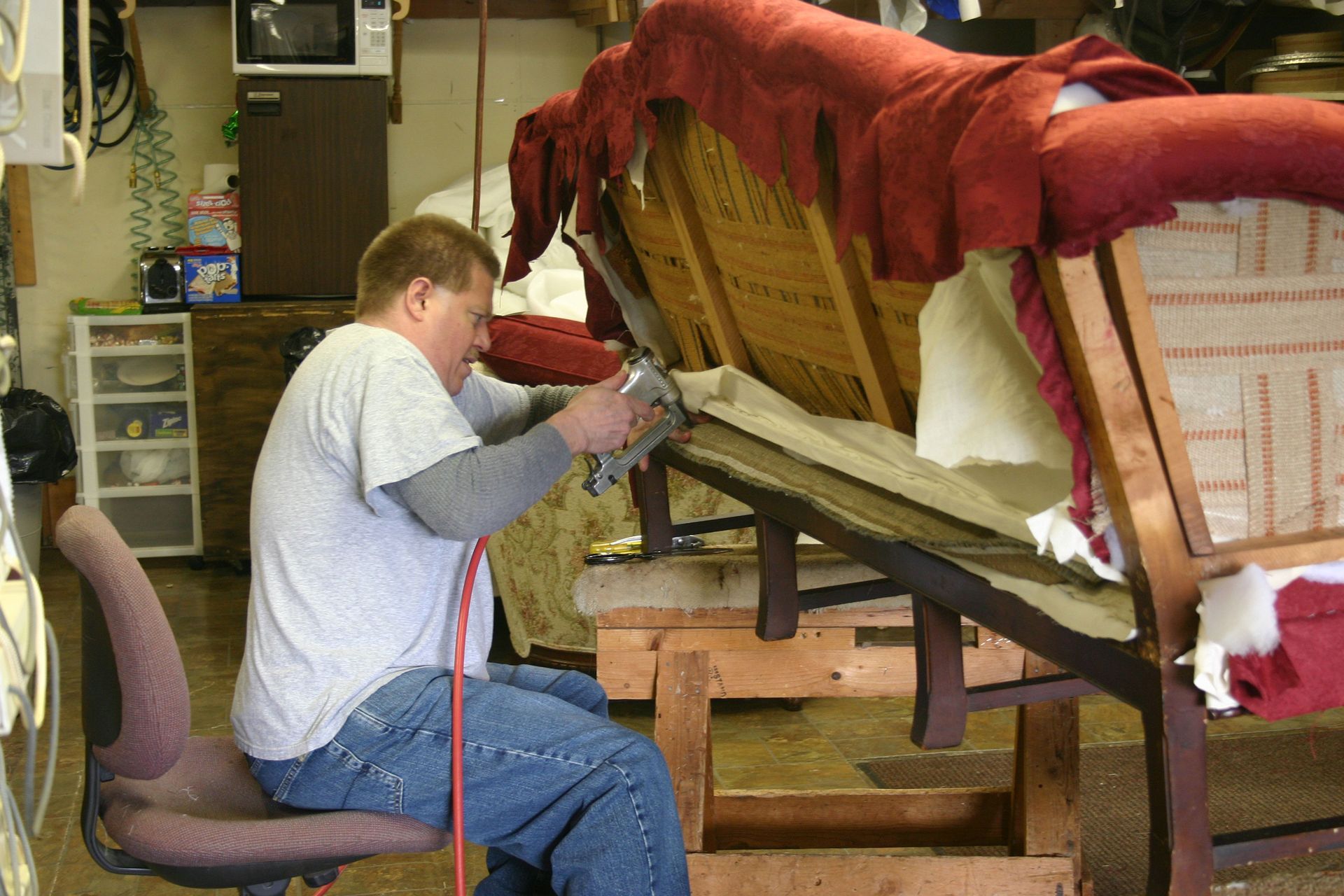
If you're considering preserving your furniture with professional upholstery services, choosing a company that works with a variety of materials is important. The Woodlands Upholstery has decades of experience with custom upholstery and repair, and our shop features any and all fabrics you may need to restore your furniture to a pristine condition. Contact us today to learn more about our
upholstery services!